Board games featuring hidden movement mechanics occupy a distinct niche in the strategy gaming world. Scotland Yard pioneered this format, challenging players to think several steps ahead while managing limited information. The success of this design spawned numerous variations, each introducing unique twists to the cat-and-mouse formula. Some emphasize narrative immersion, others focus on tactical complexity, while many balance both elements. The thrill lies in anticipating opponent movements, deducing patterns, and executing precise captures—or narrow escapes.
Key Takeaways
- Fury of Dracula offers similar hidden movement mechanics with one player as Dracula evading hunters across Europe.
- Letters from Whitechapel features Jack the Ripper evading detectives through Victorian London’s streets.
- Whitehall Mystery provides a streamlined experience with checkpoint-based movement in a shorter playtime.
- Specter Ops incorporates high-tech elements in a dystopian setting while maintaining the hunter-hunted dynamic.
- Nuns on the Run inverts traditional roles by making most players evaders hiding from a single hunter in an abbey.
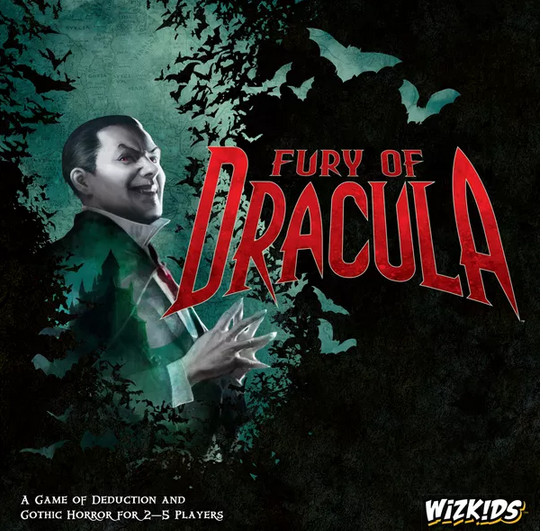
Fury of Dracula (4th Edition)
Hidden Movement Classics
While Scotland Yard established the blueprint for hidden movement games with its London-based cat-and-mouse pursuit, several other classics have expanded on this formula with unique thematic and mechanical twists. These titles offer varying levels of complexity while maintaining the core tension that makes the genre compelling.
- Letters from Whitechapel transports players to Victorian London for a 90-minute hunt for Jack the Ripper
- Whitehall Mystery streamlines the formula with checkpoint-based movement and distinctive hunting mechanics
- Fury of Dracula expands the concept across Europe with cooperative play against the vampire
- Nuns on the Run inverts traditional roles, casting one player as the hunter within an abbey setting
- Scotland Yard remains the ideal classic board game of deduction and transportation networks
Each game preserves the thrilling chase dynamics while introducing distinctive mechanics that appeal to different strategic preferences.
Fury of Dracula
Terror stalks the night across Europe as one cunning player embodies the legendary Count Dracula while others form a team of determined hunters in Fury of Dracula. This sophisticated entry in the hidden movement genre balances stealth mechanics with direct confrontation through its day-night cycle system.
| Game Element | Strategic Consideration |
|---|---|
| Hunter Abilities | Each vampire hunter possesses unique powers requiring tactical deployment |
| Day/Night Cycle | Day for preparation, night for confrontation |
| Movement Tracking | Hunters must deduce Dracula’s location from limited information |
| Combat Resolution | Risk-reward decisions when hunters work together to confront Dracula |
The 2-3 hour playtime delivers a thoroughly immersive cat-and-mouse experience where cooperation is crucial. Vampire hunters must efficiently coordinate their efforts while anticipating Dracula’s next move, creating escalating tension as the hunt progresses across the continent.
Letters From Whitechapel
The gas-lit alleyways of Victorian London become the perfect hunting ground in Letters From Whitechapel, where one player assumes the identity of history’s most notorious serial killer while others control detectives determined to bring him to justice.
Like Scotland Yard’s Mister X, Jack employs hidden movement mechanics, but with higher stakes—he must claim five victims before being caught. The detailed map features strategic shortcuts and dead-ends that create tense decision points for both hunter and hunted. While detectives collaborate to deduce Jack’s location from the clues left behind, Jack meticulously plans escape routes.
With gameplay accommodating 2-6 players over approximately 90 minutes, the experience thrives with larger groups where collaborative detective work intensifies. Players can alternate between roles, providing valuable perspective on both sides of this carefully balanced cat-and-mouse contest.
Whitehall Mystery
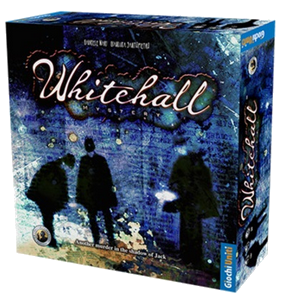

Condensed into a more digestible format, Whitehall Mystery offers Scotland Yard enthusiasts a refined hidden movement experience that eliminates ticket-based mechanics in favor of streamlined cat-and-mouse dynamics. This tighter implementation distills the genre’s essence into a one-hour experience while maintaining strategic depth.
The asymmetric gameplay pits detective players against Jack the Ripper, who must reach four checkpoints to secure victory. The detectives collaborate to deduce Jack’s location and movement patterns, creating an intellectually stimulating deduction puzzle. The hidden movement board creates perfect information for Jack while forcing detectives to rely on coordinated strategy and logical deduction.
Accommodating 2-6 players, Whitehall Mystery provides accessibility without sacrificing complexity. Its unique movement system creates distinctive pathways for both hunters and hunted, ensuring each game unfolds with palpable tension and emergent strategic possibilities.
Specter Ops: High-Tech Pursuit
Propelling the hidden movement genre into a sleek, dystopian future, Specter Ops reimagines Scotland Yard’s pursuit mechanics through a high-tech lens where visibility, detection ranges, and specialized abilities create layered tactical considerations.
This 2-5 player hidden movement board game positions one player as the elusive operative traversing a modular facility while others hunt them down. The variable board layout guarantees tactical freshness across multiple sessions, while character-specific abilities and gadgets facilitate diverse strategic approaches for both hunter and hunted. Gameplay resolves in a manageable 60-90 minutes, making Specter Ops accessible without sacrificing depth.
The game’s fusion of deduction, tension, and teamwork resonates with Scotland Yard enthusiasts while offering a contemporary twist. Its advanced setting provides a compelling evolution of the cat-and-mouse dynamics that define this strategic genre.
Mind MGMT: Psychic Espionage
From advanced surveillance to psychic manipulation, Mind MGMT: Psychic Espionage elevates the hidden movement genre with its distinctive paranormal twist. This 2-5 player game distills the cat-and-mouse tension into a compact 30-60 minute experience where one player operates as the elusive recruiter while others hunt as rogue agents.
| Feature | Description |
|---|---|
| Core Mechanism | Deduction-based hidden movement |
| Play Time | 30-60 minutes |
| Player Count | 2-5 players |
| Complexity Level | Medium |
| Unique Element | Psychic abilities and clue trails |
The game’s strategic depth comes from character-specific abilities that force players to adapt their tactics each session. Unlike traditional hidden movement board games, Mind MGMT incorporates subtle mind games through the psychic theme, creating an experience where freedom of movement is countered by the inevitable breadcrumbs of information left behind.
Nuns On The Run
While most hidden movement games cast players as criminals or spies, Nuns On The Run flips the script with its whimsical abbey setting where novice nuns attempt clandestine nighttime adventures. This 3-8 player hidden movement game pits one player as the “Chaser” against others who must navigate the abbey’s corridors to collect secret items after curfew.
The 60-minute gameplay centers on strategic decision-making as sneaking players manage limited actions while avoiding detection. The Chaser moves freely throughout the board, creating tension through deduction and evasion mechanics. What distinguishes Nuns On The Run from Scotland Yard is its unique setting and emphasis on stealth.
Suitable for ages 8+, the game encourages collaborative strategy as players coordinate their movements, offering a refreshing alternative in the hidden movement genre while maintaining the core cat-and-mouse thrill.
Star Wars: Rebellion
Star Wars – Rebellion by Fantasy Flight Games

Epic in both scope and scale, Star Wars: Rebellion translates the galactic conflict between the Rebel Alliance and Galactic Empire into a sophisticated hidden movement game that departs significantly from Scotland Yard’s urban chase. Unlike Scotland Yard’s relatively straightforward pursuit, Rebellion offers a complex blend of concealment and strategic planning across an entire galaxy.
The Rebel player must skillfully hide their base while conducting missions to build support, while the Imperial player utilizes superior resources to hunt them down. This asymmetric design creates tension through its four-hour playtime as players deploy iconic characters from the saga to execute tactical maneuvers.
The game enhances the hidden movement mechanic beyond simple evasion, incorporating resource management, combat, and political influence. For board games enthusiasts seeking freedom within a deeply immersive strategic framework, Rebellion offers an expansive challenge that rewards careful planning and deception.