Board games designed for 11-14 year olds serve as ideal tools for cognitive development while providing entertainment value. These games balance accessibility with strategic depth, offering mechanics that challenge young minds without overwhelming complexity. Popular titles incorporate resource management, pattern recognition, and tactical decision-making. Some emphasize cooperation, others competition. Many integrate thematic elements that appeal specifically to this age demographic. The selection ranges from 30-minute family games to multi-hour strategy experiences—each offering distinct approaches to engaging developing adolescent intellects.
Key Takeaways
- Strategy games like Ticket to Ride and Catan develop critical thinking in 30-90 minute sessions suitable for tweens and teens.
- Cooperative mystery games such as Exit: The Game engage 11-14 year olds through collaborative problem-solving and deductive reasoning.
- Deck-building games like Clank! and Doomlings offer competitive play that builds analytical thinking in 20-90 minute sessions.
- Narrative-driven games including Dungeons & Dragons and Gloomhaven foster creativity, empathy, and structured decision-making skills.
- Legacy games with evolving storylines create long-term engagement while teaching teamwork and communication skills valuable for family game nights.
Strategic Fun for Tweens
While traditional children’s games may no longer engage older children, strategy board games designed for the 11-14 age bracket provide intellectually stimulating alternatives that develop critical thinking skills. These games balance complexity with accessibility, offering engaging experiences that typically last 30-90 minutes and accommodate 2-6 players.
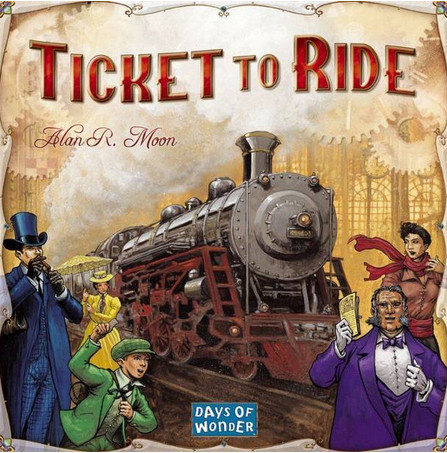
- Ticket to Ride – A classic game focusing on route-building across maps
- Catan – Develops resource management through settlement construction
- Clank! – Combines deck-building with dungeon exploration mechanics
- Azul – Requires tactical tile placement and pattern recognition
- Pandemic – Cooperative strategic game where players collaborate against spreading diseases
Ticket to Ride by Days of Wonder
The market now offers numerous options for a successful game night, whether families prefer competitive or cooperative experiences. These games promote social interaction while enabling tweens to build decision-making abilities through systematic rule application and resource optimization.
Cooperative Mystery-Solving Adventures
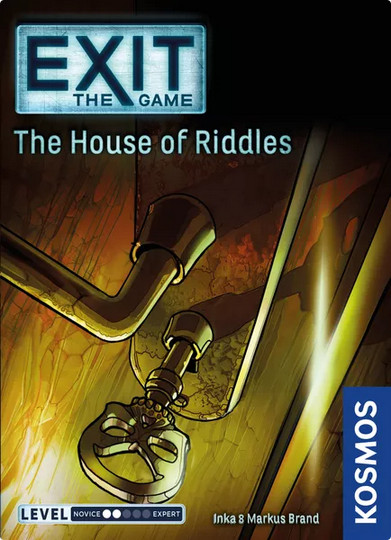
How do mystery games engage the 11-14 age group? Through systematic problem-solving mechanisms that reward collaborative analysis and deduction. Games like “Exit: The Game – The House of Riddles” implement progressive puzzle structures requiring 60-120 minutes of sustained engagement, perfectly calibrated for developing minds.
The House of Riddles by Thames & Kosmos
“CLUE: Squishmallows” modernizes classic whodunit formulas while maintaining core deductive reasoning principles. Meanwhile, “The Chameleon” employs social deduction mechanics in compressed 15-minute sessions, introducing variable player dynamics with 3-8 participants.
These cooperative mystery-solving experiences develop critical thinking through evidence evaluation and strategic planning via resource allocation decisions. “Charterstone’s” legacy system adds evolving complexity, where teamwork unlocks narrative progression. The procedural nature of these games creates structured freedom—players determine solution pathways within established parameters, exercising autonomy while building interpersonal communication skills.

Fast-Paced Deck-Building Battles
Deck-building mechanics form the strategic core of fast-paced competitive games that effectively engage the 11-14 demographic through dynamic card acquisition systems. Games like “Clank!” and “Doomlings” exemplify this genre, challenging players to construct efficient decks while outmaneuvering opponents.
“Clank!” offers treasure-hunting thrill for ages 13+, requiring approximately 90 minutes as kids build sophisticated strategies across multiple play sessions. “Doomlings” presents a more accessible entry point with 20-45 minute playtimes suitable for players as young as 10, making it an ideal starter strategy game.
Both titles accommodate 2-4 players and demand critical decision-making as participants draw cards and adapt to evolving game states. This great game category nurtures analytical thinking while the competitive framework maintains engagement through direct player interaction rather than solitary optimization.
Logic-Based Fantasy Quests
Logic-based fantasy quests transport young adolescents into immersive worlds where analytical reasoning becomes the primary tool for advancement. Games like “Clank!” and “Everdell” challenge players to employ strategic decision-making that directly impacts gameplay outcomes, encouraging critical thinking within enchanting narratives.
These systems typically target the 10+ age demographic, making them ideal for tweens and teens seeking cognitive stimulation through entertainment. Cooperative games such as “Exit: The Game – The House of Riddles” necessitate teamwork and clear communication—players must collectively solve puzzles to progress through escape scenarios.
Fantasy-themed quest mechanics routinely incorporate varied challenges and dynamic gameplay elements. The integration of rich narratives with problem-solving components guarantees that players encounter diverse obstacles requiring logical reasoning. This combination of immersion and intellectual engagement creates experiences that reward systematic thinking while maintaining player autonomy.


Narrative World-Building Games
Narrative world-building games establish expansive frameworks that permit players aged 11-14 to construct unified fictional universes through structured rule systems. These games implement storytelling mechanics where participants collaboratively develop plots and scenarios, enhancing verbal communication skills while adhering to established parameters.
Games like “Dungeons & Dragons” and “Gloomhaven” integrate character development systems with progressive complexity, facilitating strategic decision-making within narrative contexts. Role-playing elements allow players to assume diverse perspectives, thereby developing empathetic understanding through mechanical representation of alternative viewpoints.
The modular complexity of these systems accommodates both novice and experienced players, with scalable difficulty options providing appropriate challenges across the 11-14 age spectrum. Effective narrative games balance creative freedom with sufficient structural guidance, ensuring participants can express imagination while maintaining coherent world-building through consistent application of established rules.
Escape Room Party Puzzlers
How effectively can tabletop experiences translate the tension and thrill of physical escape rooms? Escape room games designed for 11-14 year olds successfully capture this dynamic by implementing timed challenges that require collaborative problem-solving. These systems emphasize teamwork as players decode clues, manipulate components, and overcome sequential obstacles.
| Game System | Core Mechanics | Player Count | Time Limit |
|---|---|---|---|
| Exit: The Game | Destructible components, tiered hints | 1-4 | 60-120 min |
| Unlock! | App integration, hidden numbers | 1-6 | 60 min |
| Escape Room: The Game | Physical decoder device | 3-5 | 60 min |
| Escape the Crate | Progressive puzzle boxes | 2-6 | 90 min |
The ruleset typically employs a timing mechanism that creates necessary tension while puzzles escalate in complexity, encouraging communication skills. Players must systematically collaborate, sharing observations and dividing tasks to efficiently progress through the game’s structured challenges.
Social Deduction Challenges
Social deduction games reveal their strategic depth through concealed information and role-based gameplay mechanics, making them particularly suitable for the developing cognitive abilities of 11-14 year olds. These games demand critical thinking as players analyze behavior patterns and statements to identify hidden roles.
“The Chameleon” exemplifies the format with its 3-8 player accommodation and compact 15-minute sessions, optimizing engagement without exceeding attention spans. Similarly, “Coup” focuses on bluffing and tactical elimination within 15-20 minutes, functioning effectively with 2-6 participants.
Beyond entertainment, these formats strengthen communication skills through persuasive discourse and strategic deception. The embedded social dynamics naturally cultivate friendships through collaborative problem-solving and good-natured competition. The requirement to articulate suspicions, defend positions, and identify inconsistencies provides developmental benefits that transcend mere recreational value.
Legacy Campaign Games
While traditional board games remain static across sessions, legacy campaign games introduce a revolutionary model where gameplay permanently evolves through irreversible physical alterations and persistent decision consequences. “Charterstone” exemplifies this format, accommodating 1-6 players aged 10+ through interconnected scenarios spanning multiple hours per session.
The narrative-driven gameplay creates investment as choices ripple through subsequent sessions, ideal for tweens and young teens developing long-term strategic thinking. Legacy games strategically employ sealed components that players unveil progressively, maintaining engagement through measured revelation.
Their cooperative nature cultivates teamwork and collective problem-solving skills, making them particularly valuable for family game nights. For 11-14 year olds, these campaigns provide structured yet freedom-oriented gameplay experiences that reward commitment and group planning while delivering satisfying narrative arcs across multiple gatherings.