Imperial Assault established a benchmark for tactical miniature games through its fusion of strategic combat mechanics and campaign progression systems. Players seeking similar experiences encounter a diverse environment of dungeon crawlers and tactical adventures, each offering distinct approaches to character development, resource management, and narrative integration. These alternatives present varying degrees of complexity, from streamlined cooperative experiences to intricate campaign-driven systems that demand careful tactical consideration and long-term strategic planning across multiple interconnected scenarios.
Key Takeaways
- Gloomhaven offers card-driven combat mechanics and branching character progression paths with retirement systems for diverse strategic gameplay.
- Descent features dice-based combat with calculated risk assessment and modular exploration through interconnected chamber systems.
- Mansions of Madness provides app-driven dynamic narratives combined with tactical combat and atmospheric horror-themed exploration mechanics.
- Blackstone Fortress blends systematic exploration with tactical combat scenarios while maintaining resource management and environmental hazard challenges.
- Zombicide emphasizes cooperative survival gameplay with ammunition and supply management alongside mission-based tactical combat encounters.
Similar Tactical Miniature Games
Tactical miniatures games share Imperial Assault’s core DNA of positioning-based combat, objective-driven scenarios, and character progression systems. These experiences demand calculated movement, resource management, and adaptive strategy execution.
Star Wars: Legion delivers battalion-scale warfare with activation-based turns that prioritize positioning over dice luck. Players command squads through dynamic battlefields where cover and elevation determine engagement outcomes.
Warhammer 40,000: Kill Team strips away army-building complexity for focused operative management. Each specialist possesses distinct capabilities that create tactical synergies when properly coordinated.
Key tactical elements include:
- Line-of-sight mechanics that reward positional awareness
- Action economy systems balancing movement with combat effectiveness
- Objective-based victory conditions beyond elimination scenarios
- Modular terrain systems ensuring battlefield variety
HeroClix integrates card games elements through power sets, while Deadzone emphasizes environmental manipulation for strategic advantage.
HeroQuest Classic Dungeon Crawler
HeroQuest (1st Edition)
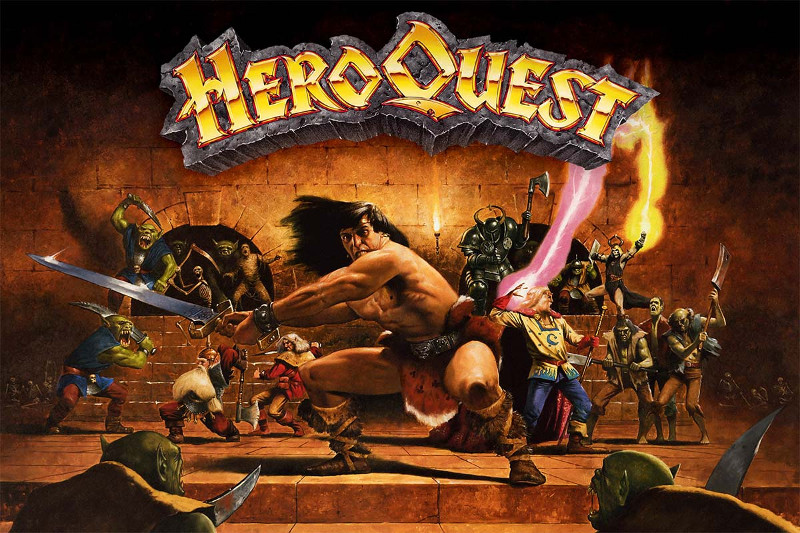
The game’s fourteen-scenario quest book provides structured narrative progression while encouraging creative dungeon design through customizable layouts. HeroQuest expansions further diversify gameplay with additional monsters, artifacts, and environmental challenges. The 2020 re-release preserves core mechanics while updating components, demonstrating the system’s enduring appeal. Players seeking unrestricted exploration will appreciate HeroQuest’s open-ended scenario creation tools, allowing complete creative control over quest parameters, enemy placement, and treasure distribution within its fantasy framework.
Space Hulk Claustrophobic Combat
Genestealers swarm through narrow corridors as heavily armored Space Marines advance methodically through derelict spacecraft in Space Hulk’s asymmetrical tactical combat system. Players must master tactical movement strategies within the Warhammer 40,000 universe’s unforgiving environment, where every step determines survival against overwhelming alien forces.
The claustrophobic gameplay mechanics transform confined passages into deadly strategic puzzles. Space Marines coordinate firepower and positioning while Genestealers exploit environmental advantages through ambush tactics. Each scenario demands precise resource management and timing, forcing players to balance aggressive advancement with defensive positioning.
Cooperative survival tactics emerge naturally as squads navigate modular board configurations representing cramped spacecraft interiors. The game’s asymmetrical design creates intense psychological pressure, where limited turns and restricted movement options generate authentic tension reminiscent of Imperial Assault’s tactical depth and atmospheric immersion.
Descent Journeys in the Dark
Heroes venture through ever-shifting dungeon corridors while an overlord orchestrates sinister opposition in Descent: Journeys in the Dark’s asymmetrical campaign system. The modular board design creates unique tactical scenarios with each quest, demanding adaptive strategies from both factions. Hero customization strategies evolve through equipment acquisition and skill development, enabling specialized roles within the party composition. Overlord gameplay dynamics balance immediate tactical threats against long-term campaign objectives, managing monster deployment and treacherous schemes.
The dice-driven combat system rewards calculated risk assessment while punishing reckless advancement. Interconnected narrative quests forge meaningful consequences that ripple through subsequent scenarios. Resource management becomes critical as heroes balance exploration tempo against preparation time. This creates a strategic tension where every decision carries weight, offering players complete agency over their tactical approaches and character development paths throughout the campaign.
Gloomhaven Campaign-Driven Adventure
Gloomhaven (1st Edition, 2nd Printing)
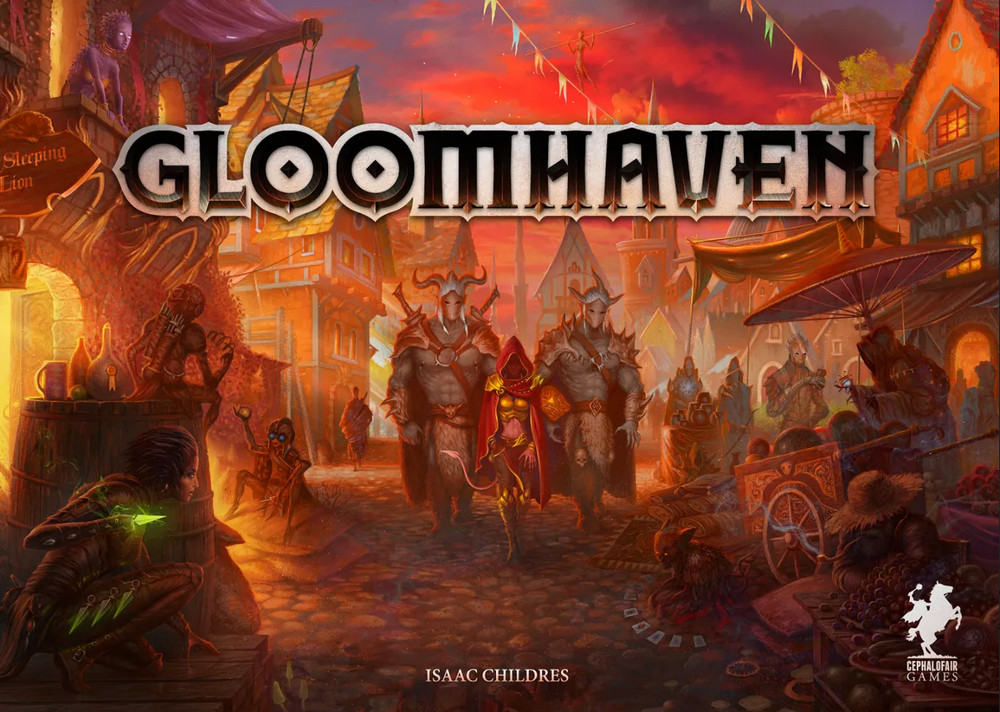
While cooperative gameplay defines the core experience, Gloomhaven’s card-driven action system transforms tactical decision-making into a resource management puzzle where every ability selection carries permanent consequences. Players navigate branching narratives where Gloomhaven scenario choices fundamentally alter campaign trajectories, creating personalized adventures that reflect strategic decisions rather than predetermined paths. Each encounter demands careful coordination as Gloomhaven cooperative strategy emerges from synchronized card play and positioning dynamics.
The game eliminates traditional dice-based randomness, replacing luck with deliberate planning and tactical foresight. Gloomhaven character progression systems reward experimentation across diverse classes, each offering unique mechanical approaches to combat encounters. Players shape their mercenary company through persistent world changes, retiring characters to unlock new classes while maintaining narrative continuity. This creates emergent storytelling where mechanical choices drive thematic outcomes, establishing player agency within structured campaign frameworks.
Zombicide Cooperative Zombie Survival
While zombie apocalypse scenarios demand reactive tactical responses, Zombicide transforms survival horror into systematic cooperative gameplay where spawn mechanics and noise generation create escalating tension through predictable yet dangerous enemy behaviors. Players coordinate survivor movements across modular board configurations, managing resource acquisition and objective completion while zombie hordes respond to predetermined activation patterns. Character progression mechanics reward successful missions with experience points, unlocking improved abilities that fundamentally alter tactical options and team dynamics. Each survivor class contributes specialized skills requiring coordinated zombie strategy deployment against increasingly numerous undead threats. The game’s mechanical framework emphasizes calculated risk assessment over random chance, enabling players to develop sophisticated approaches to scenario completion while maintaining narrative tension through systematically escalating danger levels that punish poor coordination decisions.
Mansions of Madness Investigation
Mansions of Madness (2nd Edition)
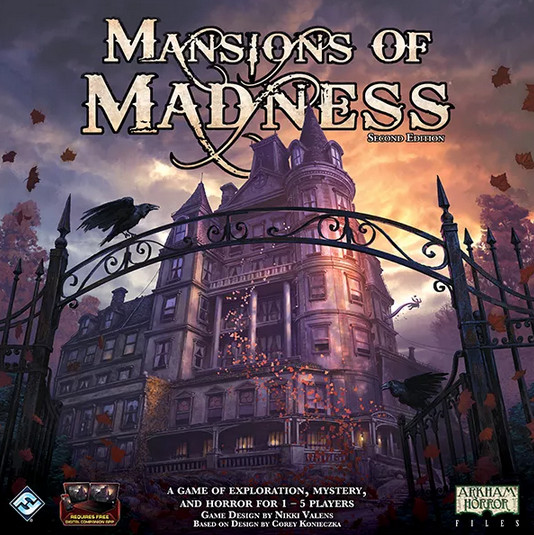
Mansions of Madness shifts the cooperative framework from systematic zombie elimination toward atmospheric investigation, where players assume investigator roles within Lovecraftian scenarios that blend exploration mechanics with narrative-driven puzzle solving. The integrated app manages enemy behaviors and reveals environments dynamically, eliminating traditional game master requirements while maintaining strategic uncertainty. Each investigator brings distinct abilities that influence team composition and tactical approaches to mansion mysteries.
The game’s modular structure generates variable objectives and outcomes across multiple scenarios, ensuring each investigation presents fresh challenges. Players navigate horror puzzles through combined exploration, deduction, and combat systems that reward both individual character specialization and coordinated team strategies. The Lovecraftian theme saturates mechanical design, creating tension between knowledge acquisition and sanity preservation that defines meaningful player choices throughout each investigation.
Blackstone Fortress Warhammer Exploration
Blackstone Fortress transplants cooperative investigation mechanics into the grimdark Warhammer 40,000 universe, where players command specialized adventurers penetrating an ancient space station’s intricate passages in pursuit of archaeotech and forbidden knowledge. Each character possesses distinct tactical abilities that dictate ideal positioning and combat approaches during encounters with xenos threats and chaotic entities. The exploration mechanics emphasize systematic progression through modular chambers, revealing environmental hazards and tactical opportunities that demand adaptive strategies. Narrative quests weave overarching storylines through individual expeditions, creating consequential decision points that affect subsequent missions. Resource management becomes critical as ammunition, medical supplies, and equipment degradation influence expedition success rates. Multiple expansions introduce fresh character archetypes and enemy factions, maintaining strategic variability across campaigns while preserving the franchise’s signature aesthetic brutality.
Comprehensive Gaming Comparison Guide
When evaluating tactical miniatures games that parallel Imperial Assault’s strategic framework, several distinct mechanical models emerge across the genre’s competitive terrain. Game mechanics analysis reveals fundamental differences in combat resolution, movement systems, and resource allocation across these titles. Descent employs traditional dice-based resolution, while Gloomhaven introduces card-driven mechanics that eliminate randomness. Character progression systems vary significantly—Imperial Assault features linear skill trees, whereas Gloomhaven offers branching advancement paths through retirement mechanics. Narrative integration techniques span from Imperial Assault’s mission-based storytelling to Mansions of Madness’s app-driven dynamic narratives. Each system prioritizes different strategic elements: Legion emphasizes army composition, Zombicide focuses on cooperative survival mechanics, and Blackstone Fortress blends exploration with tactical combat, providing diverse pathways for strategic engagement.