Players seeking alternatives to Munchkin typically prioritize games featuring direct player conflict, take-that mechanics, and light-hearted themes that don’t require serious strategy. The market offers several titles sharing these core elements while introducing distinct mechanical variations—from dice-based combat systems to card-driven resource management. Understanding which specific aspects of Munchkin resonate most strongly determines the best alternative, whether that involves dungeon-building, monster battling, or chaotic spell-slinging mechanisms that reward opportunistic play and strategic backstabbing.
Key Takeaways
- Boss Monster lets you build dungeons to defeat heroes using spatial planning and resource management mechanics.
- Epic Spell Wars features modular spell creation and chaotic elimination-based combat with dynamic player confrontations.
- Cutthroat Caverns blends cooperative monster-fighting with competitive scoring, balancing group survival against individual glory.
- King of Tokyo offers dice-based combat and clear victory conditions through points or opponent elimination.
- Smash Up provides asymmetric faction gameplay with over 80 faction combinations for extensive variety and replayability.
Top Munchkin-Style Game Alternatives
For players seeking alternatives to Munchkin’s backstabbing dungeon-crawl experience, several games deliver comparable mechanical frameworks while introducing distinct strategic elements.
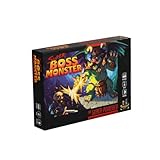

Boss Monster inverts traditional roles by tasking players with constructing deadly dungeons to eliminate adventurers. The pixelated aesthetic and room-building mechanics create strategic depth through spatial planning and resource management.
Epic Spell Wars of the Battle Wizards amplifies chaos through modular spell construction, where players combine card components to unleash devastating attacks. The elimination-based combat and variable player powers guarantee dynamic confrontations across multiple rounds.
Cutthroat Caverns merges cooperative monster-slaying with competitive scoring, forcing tactical decisions about resource commitment versus reward allocation. Players must balance group survival against individual glory accumulation.
These party games preserve Munchkin’s social manipulation elements while offering refined mechanical systems that reward strategic planning alongside opportunistic betrayal.
King of Tokyo Review


King of Tokyo stands apart from dungeon-crawling backstabbers through its streamlined dice-combat system and area-control mechanics. This popular party game accommodates two players minimum up to six participants, delivering 30-45 minute sessions that balance luck against tactical decision-making. Unlike traditional board games requiring elaborate wooden board setups, King of Tokyo focuses on dice resolution and card-driven upgrades. Players select unique monsters, rolling dice to generate attacks, healing, energy, or victory points. The central Tokyo zone creates competitive tension—occupying it grants points but exposes monsters to collective assault. Power cards introduce asymmetric abilities and strategic depth beyond simple dice-chucking. Among social games and card games sharing Munchkin’s chaotic player interaction, King of Tokyo distinguishes itself through clearer win conditions: achieve 20 victory points or eliminate all opponents.
Smash Up Game Features

Card abilities generate asymmetric gameplay through faction-specific mechanics—Zombies recursively return from discard piles, Pirates move between bases freely, and Dinosaurs overwhelm through raw power values. Direct interaction materializes through destruction effects, movement manipulation, and ability disruption, forcing constant tactical adaptation. The modular expansion ecosystem delivers over 80 faction combinations, ensuring mechanical variety across sessions without requiring extensive rule modifications between games.
Cosmic Encounter Gameplay Mechanics
Cosmic Encounter structures its core gameplay around asymmetric alien powers that fundamentally rewrite standard rules for individual players. Each species grants abilities that break conventional mechanics, forcing opponents to adapt their strategies continuously. Combat resolution combines predetermined card plays with optional ally recruitment, creating layered decision trees where negotiation precedes violence.
The turn structure mandates planetary attacks while permitting defensive alliances, establishing a framework where temporary partnerships dissolve as victory conditions approach. Players utilize their unique alien strategies through careful timing of power activations and strategic betrayal opportunities. The game accommodates three to eight participants, scaling complexity through increased diplomatic possibilities and cross-table bargaining. Variable turn order prevents static positioning, while card-driven combat introduces controlled randomness that rewards tactical card management over pure chance reliance.
Boss Monster Dungeon Building


Boss Monster inverts traditional dungeon-crawling mechanics by positioning players as end-level antagonists who construct lethal gauntlets to lure and eliminate adventurers. This dungeon-building card game demands calculated Dungeon Strategy as players deploy room cards horizontally to create five-chamber death traps. Each room generates treasure icons that attract specific hero types while dealing damage to eliminate them. Strategic depth emerges through resource management and tactical room placement—players must balance offensive capabilities against defensive necessities. The spell system introduces direct player interaction, allowing competitors to sabotage rival dungeons or manipulate hero movement. Supporting 2-4 players, the game’s streamlined structure facilitates rapid sessions without sacrificing strategic complexity. Retro pixel art aesthetics reinforce the video game homage while maintaining mechanical clarity across all components.
Betrayal at House on The Hill Review

While Boss Monster casts players as dungeon architects from the outset, Betrayal at House on the Hill conceals its true nature until a pivotal moment transforms collaborative exploration into asymmetric conflict. Players navigate procedurally-generated mansion tiles, accumulating items and stats until triggering one of 50+ haunts. This activation reveals the traitor—a player whose objectives now directly oppose the group’s survival.
The Traitor Dynamics system creates genuine tension through information asymmetry. Each scenario provides separate rulebooks for heroes and betrayer, establishing unique win conditions and mechanical frameworks. This structure prevents predictable gameplay patterns while maintaining strategic depth.
The tile-placement exploration phase rewards calculated risk-taking, as players balance character development against potential haunt triggers. Once revealed, asymmetric abilities and objectives demand tactical adaptation, ensuring no two sessions follow identical trajectories—ideal for players seeking emergent, unrestricted narrative experiences.
Similar games to Betrayal at House >> Read more here
Red Dragon Inn Mechanics

Red Dragon Inn shifts the traditional dungeon-crawling framework to post-adventure tavern politics, where four core mechanics govern player elimination: Fortitude, Alcohol Content, Gold, and Action Cards. Players navigate a collision-course between rising intoxication and depleting health, tracked on intersecting scales. When Alcohol Content meets or exceeds Fortitude, elimination occurs. Running out of Gold too triggers defeat.
Character Abilities differentiate strategic approaches through asymmetric deck construction. Each adventurer manipulates the Fortune mechanic differently, creating distinct tactical paths. Action Cards permit direct interference—players force drinks on opponents, steal Gold, or manipulate stat trackers. The turn structure emphasizes resource management: drinking phases automatically increase Alcohol Content, while card plays determine defensive countermeasures.
This elimination-focused design rewards aggressive play and opportunistic targeting, avoiding Munchkin’s kingmaking pitfalls through simultaneous threat vectors.
Cutthroat Caverns Survival Elements
Cutthroat Caverns establishes survival tension through mandatory cooperative combat overlaid with individual scoring incentives. Players must coordinate attacks against increasingly dangerous monsters while competing for killing blows that award prestige points. Resource management becomes essential as health pools diminish and healing options remain scarce, forcing strategic decisions about when to support allies versus positioning for final strikes.
The death spiral mechanic intensifies pressure—damaged players become easier targets, potentially triggering elimination cascades. Survival Strategy demands reading opponents’ capabilities and predicting their moves, as backstabbing at pivotal moments can secure victory or doom the entire party. Monster variety requires tactical adaptation, preventing dominant strategies from emerging. Player choices directly affect others’ survival odds, creating a competitive atmosphere where temporary alliances form and dissolve based on immediate threats and long-term positioning.