Strategic board games featuring grid-based tactical combat share Fire Emblem’s core DNA of positioning-dependent warfare and character progression systems. These titles typically implement turn-based movement phases, terrain modifiers that affect attack calculations, and permanent character consequences that enhance decision weight. Games like Gloomhaven incorporate similar risk-reward mechanics through card management and permadeath variants, while others emphasize flanking bonuses and line-of-sight restrictions. The critical question becomes which mechanical variations best capture the tension between aggressive advancement and defensive positioning.
Key Takeaways
- Grid-based tactical combat with turn-based movement mechanics that emphasize strategic positioning and methodical planning over reflexive gameplay.
- Character classes with specialized roles offering distinct tactical advantages, movement capabilities, and combat abilities for varied strategic approaches.
- Permadeath or high-stakes consequences creating meaningful risk-reward decisions where each unit’s survival directly impacts long-term strategy.
- Weapon triangle systems or rock-paper-scissors mechanics where certain unit types, weapons, or abilities have advantages over others.
- Campaign progression with interconnected scenarios featuring character development, equipment upgrades, and persistent consequences across multiple battles.
Strategic Tactical Combat Games
Strategic tactical combat games replicate Fire Emblem’s core mechanics through grid-based movement systems, weapon triangle advantages, and permadeath consequences that force deliberate unit positioning. These games emphasize resource management and decision-making over reflexive action, requiring players to analyze terrain advantages and enemy formations before committing units.
Character classes provide distinct tactical roles through specialized abilities and movement patterns. Warriors excel in frontline combat while archers dominate ranged engagements, creating diverse strategic possibilities for team composition and battlefield deployment.
Turn-based gameplay facilitates methodical planning and counterplay adaptation:
- Players calculate ideal positioning for maximum damage output
- Resource allocation determines long-term campaign viability
- Permanent character loss creates meaningful risk-reward calculations
Strategic tactical combat demands precise execution where single miscalculations cascade into mission failure, mirroring tabletop warfare’s unforgiving nature.
Gloomhaven: Dungeon Crawling Adventures
Gloomhaven (1st Edition, 2nd Printing)
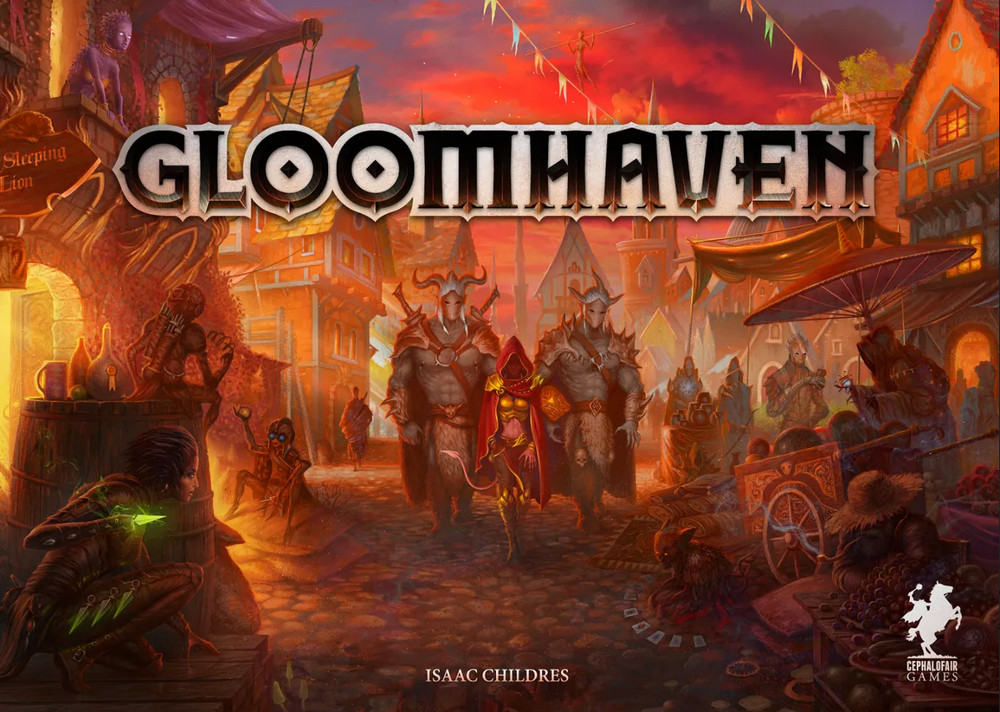
Gloomhaven transforms Fire Emblem’s tactical foundation into a cooperative dungeon-crawling experience through hexagonal grid combat, class-based character progression, and persistent campaign consequences. Players control mercenary characters across 90+ interconnected scenarios, making autonomous decisions that permanently alter the game world. Each character class operates through unique ability cards, creating distinct tactical combat approaches without restrictive predetermined paths. The modular scenario system adapts based on player choices, unlocking new locations, retiring characters, and revealing branching storylines. Combat mechanics emphasize positioning, initiative management, and resource allocation rather than dice-based randomness. Gloomhaven’s persistent world responds to player agency, tracking reputation, prosperity, and global achievements that influence future encounters. This dungeon-crawling framework delivers tactical depth while respecting player autonomy through meaningful, unrestricted strategic choices.
HeroQuest: Classic Fantasy Adventure
HeroQuest (1st Edition)
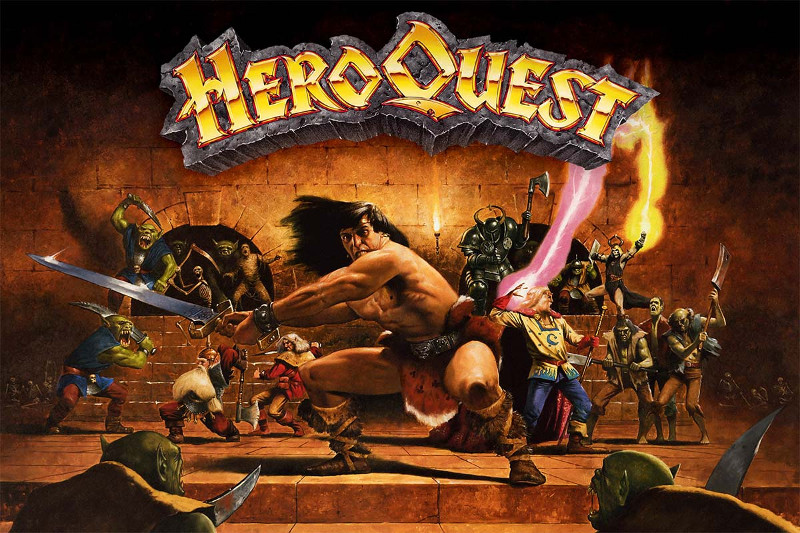
While Gloomhaven emphasizes card-driven mechanics and persistent campaign evolution, HeroQuest establishes its tactical framework through dice-based combat resolution and asymmetric player roles within dungeon exploration scenarios. This fantasy adventure deploys modular board configurations enabling unlimited quest variety, while character classes provide specialized tactical approaches to dungeon navigation and monster elimination.
| Character Classes | Primary Strengths | Strategic Role |
|---|---|---|
| Barbarian | Melee combat, high health | Frontline damage dealer |
| Dwarf | Defensive capabilities, durability | Tank and support |
| Elf | Ranged attacks, mobility | Tactical positioning |
| Wizard | Spell casting, area effects | Control and utility |
| Evil Wizard (GM) | Scenario control, enemy management | Opposition coordinator |
The Game Master system creates dynamic opposition through real-time tactical decisions, distinguishing HeroQuest from purely cooperative frameworks. Players exercise complete autonomy over movement, combat engagement, and resource allocation within structured dungeon environments.
Chess: Medieval Warfare Strategy
Chess transforms abstract military command into systematic piece manipulation across sixty-four alternating squares, where each player directs sixteen units through predetermined movement vectors toward singular victory conditions. This medieval warfare simulation operates through rigid hierarchical structures: pawns advance forward, knights execute L-shaped jumps, bishops traverse diagonals, rooks command ranks and files, queens combine multiple movement patterns, and kings require constant protection while maintaining limited mobility.
Strategic fundamentals demand central square control, rapid piece development, and king safety through castling mechanics. Players must calculate tactical sequences, evaluate positional advantages, and execute long-term plans without external interference or random elements. Victory requires isolating the opposing king through systematic piece coordination, creating inescapable checkmate positions. Chess eliminates chance variables, rewarding pure analytical thinking and strategic planning capabilities across unlimited decision trees.
Axis & Allies: World War
Axis & Allies transforms global World War II theater operations into systematic resource allocation and territorial conquest mechanics across a detailed world map. Players command major powers through turn-based sequences, managing industrial production, naval movements, and combined arms operations. Each nation possesses distinct economic capabilities and starting positions that dictate strategic approaches.
| Nation | Core Strength | Strategic Focus |
|---|---|---|
| Germany | Land Forces | European Dominance |
| Japan | Naval Power | Pacific Expansion |
| United States | Industrial Capacity | Global Projection |
Combat resolution employs dice-based probability calculations, requiring players to optimize unit compositions and timing. The strategic framework demands long-term planning across multiple theaters while adapting to opponent actions. Resource management directly impacts military capacity, forcing critical decisions between immediate tactical needs and future strategic positioning. Victory conditions reward territorial control and economic dominance.
Learn which games offer similar gameplay mechanics and competitive elements to Axis & Allies.
Mage Knight: Fantasy Conquest
Mage Knight transforms fantasy conquest into a sophisticated blend of deck-building mechanics, tactical combat, and character progression systems. This tactical board game delivers complex resource management where players control powerful warriors with unique abilities across modular terrain. Each Mage Knight operates through carefully planned action sequences, balancing movement, combat, and magical abilities while managing limited resources.
The game’s strategic depth emerges through multiple victory paths: conquering fortified cities, completing dangerous quests, or eliminating legendary monsters. Players must optimize their deck composition, coordinate spell combinations, and exploit terrain advantages. Solo or multiplayer scenarios provide distinct challenges, forcing adaptation of conquest strategies. Variable board layouts and randomized encounters guarantee each campaign presents fresh tactical puzzles, demanding precise planning and calculated risk assessment for achieving dominance.
Twilight Imperium: Space Politics

While most strategy games focus on tactical combat, Twilight Imperium and it’s similarities raise political maneuvering to equal importance through its intricate diplomacy mechanics and faction-based asymmetry. Each faction possesses unique abilities that fundamentally alter strategic approaches to space exploration, resource acquisition, and territorial expansion. Players navigate complex alliance systems where treaties become temporary conveniences rather than permanent commitments. The game’s political layer operates through formal negotiation phases, enabling coalition formation, trade agreements, and calculated betrayals that reshape the galactic terrain. Victory requires balancing military conquest with diplomatic finesse, as purely aggressive strategies often trigger defensive coalitions. Resource management intertwines with political capital, forcing players to weigh immediate tactical gains against long-term strategic positioning within the ever-shifting web of interstellar politics.
Tactical Movement and Positioning
Since tactical movement forms the foundation of strategic combat, board games emulating Fire Emblem’s combat system prioritize grid-based movement mechanics that transform abstract strategy into spatial puzzle-solving. Players navigate characters across varied terrain types, where forests grant defensive bonuses while open plains accelerate movement speed. Character classes dictate positioning capabilities—flying units bypass obstacles while cavalry extends operational range beyond infantry limitations.
Flanking maneuvers and encirclement tactics generate combat advantages through damage multipliers and critical strike opportunities. Strategic decisions emerge from analyzing terrain benefits against positional vulnerabilities. Turn-based systems demand anticipatory thinking, requiring players to predict enemy movements while establishing defensive formations. This mechanical framework liberates tactical creativity, allowing multiple valid approaches to identical scenarios through diverse unit deployment strategies and adaptive positioning responses.