Wingspan enthusiasts seeking similar experiences will find strategic depth in games emphasizing ecosystem construction and tableau development. Cascadia employs tile-laying mechanics for scenery composition, while Arboretum focuses on card drafting for arboreal arrangement. Ark Nova introduces zoo management complexity, and Everdell combines worker placement with charming aesthetics. Each title demands resource optimization and synergy recognition. The question remains: which mechanic best suits individual play preferences?
Key Takeaways
- Cascadia and Meadow offer peaceful tile-laying and tableau-building gameplay with nature themes and beautiful watercolor artwork similar to Wingspan.
- Ark Nova provides deeper engine-building complexity with 255+ unique cards for strategic animal placement and habitat management across 90-150 minutes.
- Arboretum and Everdell feature card-drafting mechanics with synergy-focused strategies requiring tactical placement and long-term planning comparable to Wingspan.
- All recommended games emphasize card synergy, player adaptation, and strategic foresight to optimize resource generation and create powerful scoring combinations.
- Games like Wingspan appeal to casual and family players through immersive artistic presentation, accessible mechanics, and engaging 30-90 minute play times.
Cascadia: Tile-Laying Landscape Building
Cascadia By Alderac Entertainment Group

Cascadia challenges players to construct Pacific Northwest ecosystems through the strategic placement of terrain tiles and fauna tokens. This tile-laying game demands deliberate decision-making and forward-thinking tile strategies to maximize habitat diversity and scoring potential.
- Accommodates 1-4 players with approximately 30-45 minute playtime
- Players earn points by matching animal tokens with corresponding habitats according to specific scoring guidelines
- Habitat diversity directly influences final scores through varied species requirements
- Stunning Pacific Northwest artwork improves thematic immersion and component appreciation
- Unique scoring patterns and tile strategies guarantee replayability without repetitive gameplay
The game’s design prioritizes accessible teachability while maintaining strategic depth. Component quality and artistic presentation reinforce the natural beauty of the region, allowing players to investigate tile strategies freely without unnecessary complexity. Cascadia delivers engaging terrain-building mechanics that reward thoughtful habitat construction.
Cascadia – Detailed Overview of the Gameplay
This tile-laying puzzle game tasks players with constructing Pacific Northwest habitats through the placement of terrain tiles and fauna tokens. Cascadia accommodates 1-4 players within a 30-45 minute timeframe, offering accessible strategic depth through refined game mechanics. Players execute ecosystem strategy by fulfilling distinct scoring criteria dependent upon animal placements and habitat adjacency patterns. The design emphasizes tangible components and evocative artwork depicting regional flora and fauna, establishing thematic coherence with nature-focused titles. Puzzle-like challenges drive engagement as players manipulate spatial relationships between environmental elements. Multiple scoring pathways guarantee substantial replayability, permitting varied approaches across successive playthroughs. The game rewards thoughtful planning and tactical tile placement, delivering a satisfying balance between accessibility and strategic complexity that appeals to players seeking engaging, nature-themed experiences without unnecessary complications.
Arboretum: Card-Drafting Tree Building

Card drafting and spatial arrangement form the mechanical foundation of Arboretum, a strategic tile-building game wherein players construct garden paths using a deck of beautifully illustrated tree cards. Designed for 2-4 players with approximately 30-minute gameplay, Arboretum demands calculated card drafting decisions and precise strategic placement to maximize scoring potential.
Players navigate a draw-and-play system requiring anticipation of opponents’ moves while building personalized arboretums under strict placement and tree-type restrictions. The game’s elegant mechanics balance simplicity with meaningful strategic depth, appealing to both casual players and strategy-focused enthusiasts. Component quality shines through naturalistic artwork, rewarding players’ attention to visual detail. Arboretum delivers engaging gameplay that combines tactical card selection with spatial puzzle-solving, offering freedom for multiple viable winning approaches within a compact playtime.
Ark Nova: Zoo Management Engine
Ark Nova (2nd Printing)
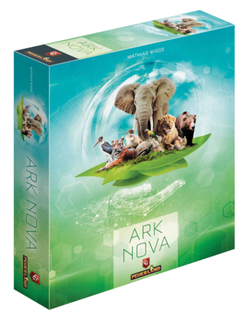
Where Arboretum distills strategy into compact spatial puzzles, Ark Nova expands the scope into a fully realized zoo management engine accommodating 1-4 players across 90-150 minute sessions. Players orchestrate intricate conservation strategies while constructing and maintaining habitats through a distinctive queue system where action cards grow increasingly potent over time. The 255+ unique cards generate substantial strategic variety, enabling players to pursue divergent paths toward zoo optimization. Decision-making encompasses animal placement, visitor experience, and conservation objectives, layering meaningful choices throughout gameplay. The habitat management mechanics demand careful resource allocation and long-term planning. Designed for ages 14+, Ark Nova satisfies both casual enthusiasts and tactical veterans seeking mechanically sophisticated, thematically immersive experiences that reward strategic depth and thoughtful exploration.
Everdell: Charming Worker Placement


Everdell presents a worker-placement experience scaled for 1-4 players across 40-80 minute sessions, distinguished by its aesthetic presentation and mechanical accessibility. Players employ worker placement strategies to gather resources, construct structures, and recruit critters within a whimsical forest tableau. The game mechanics integrate card drafting and tableau building, requiring deliberate resource management dynamics throughout gameplay. Each decision—where to position workers and which cards to acquire—shapes individual competitive paths toward victory points.
Suitable for ages 14 and up, Everdell balances strategic depth with approachable rules, appealing to both casual and experienced gamers. Its detailed components and nature-themed artwork create immersion without compromising mechanical clarity. The game’s elegant design demonstrates how worker placement systems can function effectively within compact timeframes, making it a compelling alternative for those seeking strategic freedom within structured gameplay frameworks.
Meadow: Peaceful Tableau Building

Meadow invites 1-4 players into a contemplative set collection experience spanning 30-60 minutes, distinguished by watercolor illustrations and thematic coherence. Players strategically gather cards representing plants, animals, and natural elements while constructing personalized ecosystems through tableau strategies. The peaceful tableau building mechanism allows each player to autonomously design unique card arrangements, promoting independent creative expression without restrictive constraints.
The serene aesthetics saturate every component, from artwork to gameplay pacing, creating an atmosphere favorable to relaxed engagement rather than competitive tension. Meadow’s accessible design accommodates ages 10 and up, welcoming both families and casual gamers seeking nature-themed gameplay without overwhelming complexity.
For players who appreciate Wingspan’s ecological focus and artistic presentation, Meadow delivers comparable thematic satisfaction through its own distinct mechanical approach, prioritizing tranquility and environmental storytelling.
Res Arcana: Magical Card Synergies

Res Arcana shifts focus from serene ecosystem building to competitive magical strategy, presenting a fast-paced engine-building experience where 2-4 players assume roles as mages vying to accumulate 10 victory points within 30-60 minutes. The game’s core mechanics revolve around magical combinations—players strategically deploy cards to gather essences, construct artifacts, and summon creatures. Essence management becomes critical, as resource allocation directly influences spell efficacy and creature deployment capabilities. Each game’s variable card combinations guarantee distinct strategic pathways, maximizing replayability through unique magical synergies. Player interaction intensifies competition; mages actively obstruct opponents’ plans while advancing their own objectives. This blend of engine-building precision, tactical decision-making, and direct player conflict creates an engaging alternative for those seeking competitive depth beyond Wingspan’s contemplative tableau construction.
Card Synergies & Engine Building
Precision in deck composition forms the foundation of Wingspan’s strategic depth. Players utilize card combinations to construct engines that generate cascading resource production across turns. Each of the 170 bird cards offers distinct mechanical effects, enabling synergy strategies that amplify action efficiency and scoring potential.
Successful engine building demands foresight regarding how individual bird powers interact. Players strategically deploy cards to unlock food generation, egg production, and bonus actions that compound over time. This mechanical freedom allows multiple viable approaches to victory, as players adapt their synergy strategies based on drawn cards and board state evolution.
The interplay between card combinations creates distinct strategic pathways. Skilled players recognize how specific bird placements activate powerful chains, transforming incremental advantages into decisive point accumulation. This layered complexity rewards both tactical execution and long-term planning.