Solo military board games demand precise rule execution and component management to generate authentic historical narratives. Titles spanning WWII aviation to Antarctic expeditions offer variable mechanics that prevent predictable outcomes. Each system presents distinct challenges: resource allocation in “Stuka Leader,” decision trees in “That Others May Live,” and strategic positioning across continents in “Global War.” The question remains—which design philosophy best satisfies both historical fidelity and engagement?
Key Takeaways
- Solo military board games offer strategic depth through calculated positioning, resource management, and leader abilities rather than dice-dependent mechanics.
- Historical authenticity enhances immersion, with games featuring period-appropriate scenarios from WWII aviation, Vietnam operations, and Napoleonic warfare for engaging solo play.
- Resource scarcity mechanics—including fuel, munitions, and political capital—create meaningful decision-making that rewards thoughtful commander-level strategies throughout gameplay.
- Variable mission outcomes and multiple scenario options provide high replayability, supporting both expedited engagements and extensive campaigns for diverse play preferences.
- Quality component design with thematic visuals balances accessibility with tactical complexity, appealing to both history enthusiasts and strategy gamers equally.
Stuka Leader: WWII Aviation Simulation
Stuka Leader by Dan Verssen Games
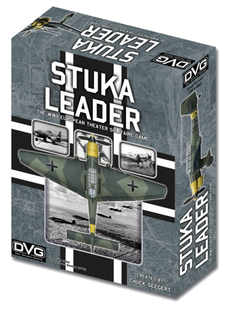
Resource management forms the backbone of Stuka Leader, a scenario-based solo wargame released in 2023 that simulates German Luftwaffe squadron operations across WWII Europe from 1939 to 1945. Players navigate complex aerial tactics through strategic allocation of:
- Fuel and munitions for mission execution
- Aircraft assignments and pilot management across experience tiers (Green, Skilled, Veteran, Ace)
- Pilot injuries and bailout mechanics enabling potential return to combat


Dogfighting mechanics introduce tactical depth and operational unpredictability, requiring players to balance aggressive engagement against resource conservation. The game’s component-driven design—tracking individual pilot status, aircraft condition, and supply constraints—demands deliberate decision-making. Stuka Leader establishes itself as a substantive entry in the solitaire wargame genre through its uncompromising focus on operational realism and strategic resource scarcity.
The Mog: Mogadishu 1993
MOG, The – Mogadishu 1993
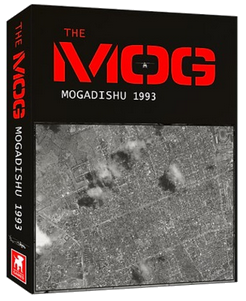
Tactical asymmetry defines The Mog, a scenario-driven solo wargame reconstructing the October 3, 1993 US Special Forces raid in Mogadishu, Somalia. Players command American forces executing a precision capture mission against Aidid’s militia, traversing an unpredictable opponent spawned through die-roll mechanics. The system generates dynamic enemy forces that escalate chaos organically, forcing tactical maneuvering through shifting engagement zones. Success demands rigorous casualty management; in spite of superior US combat capabilities, overwhelming hostile numbers create genuine strategic pressure. Multiple scenarios offer variable complexity and playtime, accommodating different commitment levels. Thematic authenticity emerges through period-appropriate music and media integration, immersing solo operators in the mission’s historical context. Component design prioritizes clarity, enabling efficient ruleset execution and strategic decision-making under pressure.
Mr. President: American Political Simulation
Mr. President – The American Presidency 2001-2020
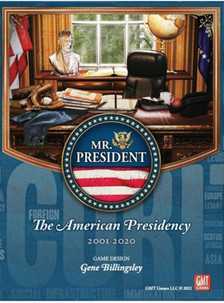
Governance becomes a precarious balancing act in Mr. President, where players navigate the intricate demands of executive leadership. Designed by Gene Billingsley, this strategic solo simulation places unprecedented pressure on decision-makers managing domestic policy, foreign relations, and political capital allocation.
The mechanical framework emphasizes crisis management through time-constrained gameplay, forcing players to prioritize competing demands with limited resources. Political strategy emerges as players respond to historically-inspired and fictional scenarios that test administrative resolve.

Components include event cards, resource trackers, and policy mechanics that create authentic governance challenges. The design rewards deliberate, calculated choices rather than reactive improvisation. Players investigate multiple pathways to presidential success, with replayability stemming from variable outcomes based on strategic decisions.
Mr. President transforms board gaming into a profound investigation of executive constraint and political consequence.
Global War: WWII Worldwide Strategy
Global War – World War II Worldwide 1939-1945
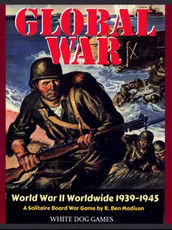
While Mr. President focuses on domestic affairs, Global War: WWII Worldwide Strategy demands commanding international military operations. Players independently control major nations, wielding strategic planning to orchestrate global dominance across a meticulously detailed world map.
The game excels through its multifaceted complexity: resource management determines military capability, combat resolution systems enforce tactical consequences, and historical scenarios provide authentic strategic frameworks. Players navigate diplomatic tensions, mobilize forces, and execute campaigns with meaningful impact.
| Component | Function | Complexity |
|---|---|---|
| World Map | Territory control | High |
| Resource Tokens | Production capacity | Moderate |
| Military Units | Combat execution | High |
Solo players experience uncompromising strategic depth, where every decision shapes wartime outcomes. The framework rewards methodical long-term planning over reactive gameplay, appealing to strategists demanding intellectual rigor and operational autonomy in their gaming experiences.
That Others May LiveCombat Search and Rescue Vietnam
Every mission in That Others May Live: Combat Search and Rescue Vietnam demands split-second decisions under fire, as players assume the role of a search and rescue pilot traversing hostile territory to extract downed airmen. The game employs a distinctive action selection system governing resource management, battlefield navigation, and enemy engagement. Players navigate rescue missions by weighing tactical priorities: direct combat confrontation versus personnel extraction. Historical scenarios grounded in actual Vietnam War events create authentic thematic immersion. Each decision ripples across mission outcomes, affecting pilot survival rates and operational success. The combat strategy framework requires calculated risk assessment at every turn. High replayability stems from variable mission results, compelling players to adapt tactics across multiple playthroughs and investigate alternative operational approaches.
Ottoman Sunset: Great War East
Ottoman Sunset – The Great War in the East, 1914-1918
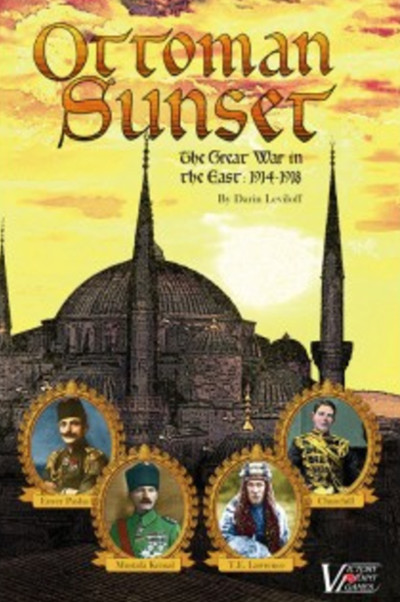
As players command Ottoman forces across the Eastern Theater of World War I, Ottoman Sunset: Great War East demands sophisticated resource allocation and tactical positioning against an AI-driven opponent system. The game authentically recreates historical battles through scenario-based campaigns reflecting genuine Ottoman strategy and engagements. Players manage troop movements, supply lines, and strategic decisions within a dynamic environment populated by historical events that challenge predetermined plans.
The AI system generates unpredictable enemy actions, eliminating passive gameplay and demanding continuous tactical adaptation. Component design emphasizes clarity—detailed maps, intuitive unit representations, and streamlined rules promote decisive action without excessive complexity. Historical battles serve as frameworks for emergent gameplay rather than mere window dressing, rewarding players who understand period-appropriate Ottoman military doctrine. This approach delivers substantive strategic depth for experienced solo gamers seeking historically grounded tactical challenges.
Endurance: Antarctic Survival Game
Endurance: Antarctic Survival Game plunges players into the unforgiving polar environment through carefully calibrated resource management mechanics and scenario-based objectives that demand strategic foresight. The game utilizes cooperative gameplay systems enabling shared decision-making and coordinated resource allocation, allowing players to tackle challenges individually or collectively.
Dynamic weather systems and random events generate unpredictable conditions that necessitate tactical adaptation across playthroughs. Each scenario presents distinct challenges and narrative-driven objectives, preventing repetitive engagement and maintaining strategic complexity.
The title excels within solo board gaming circles through its thematic authenticity and mechanical depth. Resource scarcity forces meaningful choices regarding survival priorities, while cooperative frameworks accommodate both solitary and group experiences. Its component design and rules structure reinforce authentic Antarctic hardship, distinguishing Endurance as a sophisticated survival strategy experience for players seeking substantive challenge without superfluous mechanics.
Vive L’Empereur: Waterloo Battle Simulation
Vive L’Empereur transports players to the 1815 Battle of Waterloo through a card-driven activation system that prioritizes tactical command decisions over chance mechanics. The game delivers historical accuracy by incorporating detailed leader abilities and authentic battlefield events, enabling commanders to guide either French or Allied forces with genuine strategic depth.
Players manage troop orders and movements through deliberate card mechanics, emphasizing calculated positioning rather than dice-dependent outcomes. The ruleset remains accessible while accommodating complex tactical scenarios reflecting Napoleonic warfare’s subtleties.
Multiple scenarios accommodate varied play durations, from expedited engagements to extensive campaigns. Component design improves immersion through period-appropriate visuals and mechanics. Solo players seeking unrestricted strategic exploration within historically grounded parameters will find Vive L’Empereur delivers substantive military simulation without arbitrary limitations, rewarding thoughtful commander-level decisions.